Britain’s Cheese Revolution
If you’d told someone thirty years ago that Britain would one day be giving the French sleepless nights over cheese, they’d have laughed so hard they’d have dropped their pork pie.
Today, Britain is quietly – and deliciously – experiencing a cheese renaissance that would make even the most dedicated Francophile pause before swaying to British cheese making skill.
Britain now produces more varieties of cheese than France. Whether or not the tally changes depending on who’s counting, one thing’s beyond dispute – the sheer diversity and quality of British cheese has never been greater.
The driving force behind this dairy revolution isn’t just a new generation of adventurous cheesemakers.
It’s also Britain’s farmers.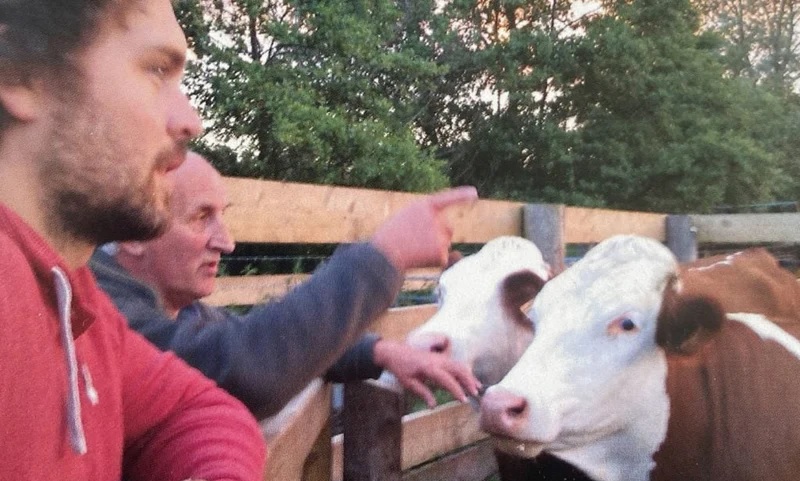 Faced with the realities of modern agriculture and increasingly tight margins, many dairy farmers have discovered that selling milk alone is rather like owning a vineyard and only selling grape juice.
By transforming their milk into artisan cheeses, they’re adding value, creating sustainable businesses, and giving us all something infinitely more exciting to put on a cheeseboard.
The result?
An embarrassment of riches.
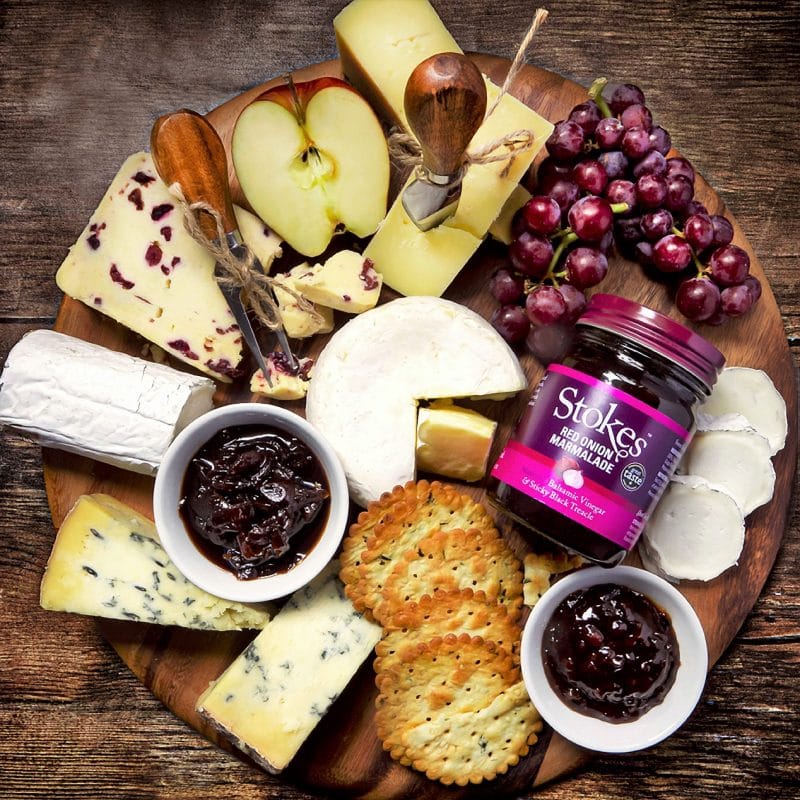
Take West Country Farmhouse Cheddar, still the grand old monarch of British cheese. Properly matured, it is complex, nutty and delightfully crumbly – a world away from the anonymous mass-produced blocks that have borrowed its name.
Then there’s the gloriously blue Stilton, the aristocrat of the cheeseboard. Creamy, rich and just pungent enough to remind you of its importance, without clearing the room.
If your tastes lean towards the softer side, Baron Bigod has become one of Britain’s great success stories. Made in Suffolk, this luxurious Brie-style cheese oozes sophistication and regularly convinces diners that Britain can rival France on its own creamy turf.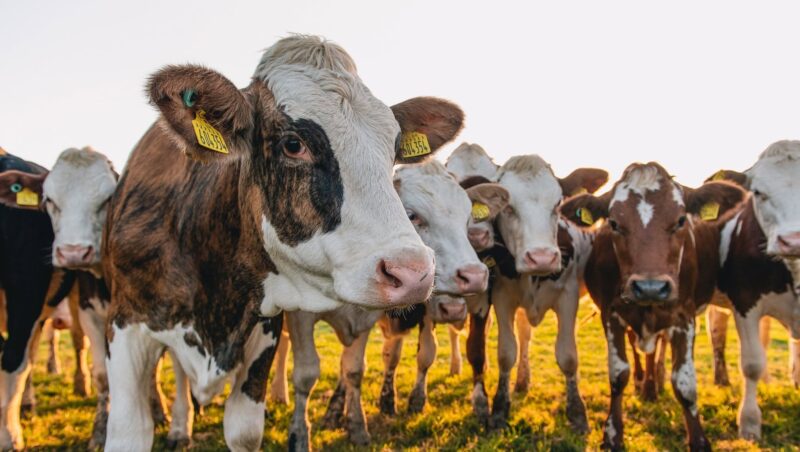 [The latest moos from the dairy.]
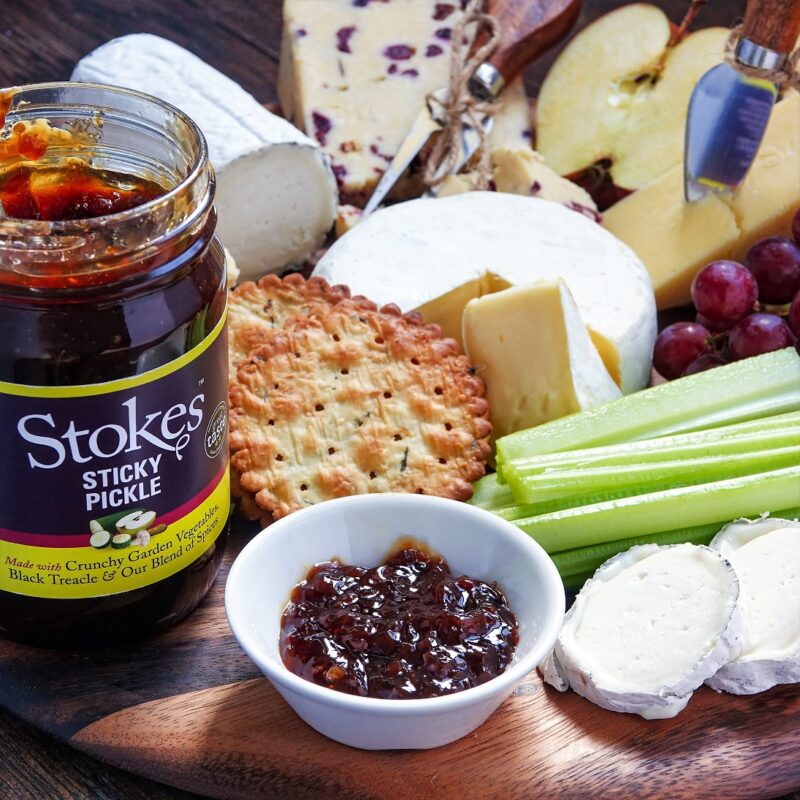
Yorkshire contributes the wonderfully fresh Wensleydale, forever associated with Wallace & Gromit, but deserving recognition far beyond animated fame. Paired with cranberries or our glorious Fig Relish, it’s one of Britain’s most distinctive cheeses.
Cornwall offers Cornish Yarg, instantly known by its coat of nettle leaves. It is genius, a fresh, slightly citrusy cheese that has become a modern British classic.
Scotland enters the party with Crowdie. Wonderfully light, delicate and refreshingly different. While Wales proudly flies the flag with Perl Las, a creamy blue that has quietly amassed an international following.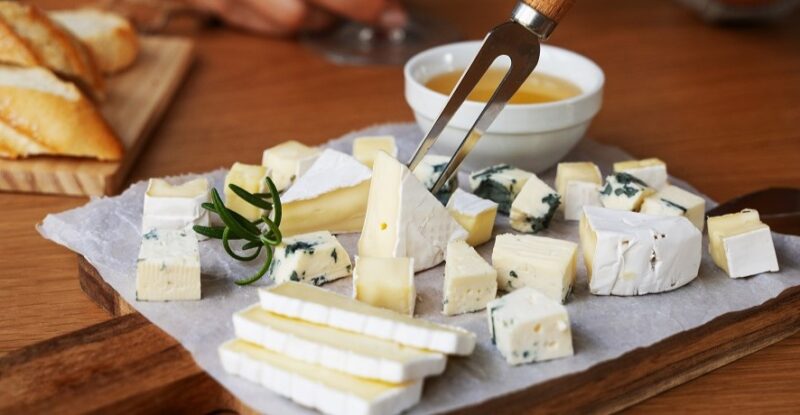 What makes this movement so appealing isn’t simply the taste. It’s the stories behind every wheel, truckle and wedge.
Every cheese has a wonderful tale to tell.
Many are made on small family farms where the same herd grazes the same pastures year after year. The cheesemaker knows every stage of the process, from the morning milking to the careful turning of maturing cheeses in cool ageing rooms.
It’s food with provenance, personality and passion.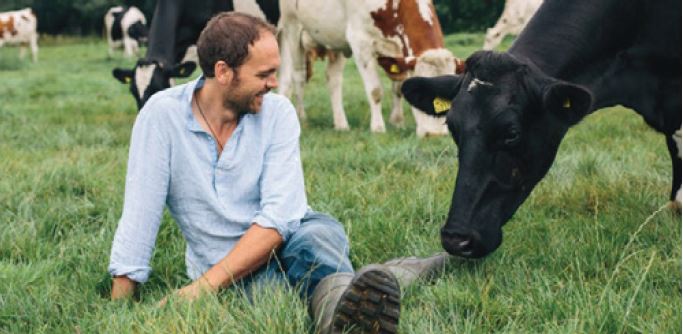 [The Crickmores are third generation dairy farmers and cheese producers at Fen Farm Dairy.]
For consumers, that’s a winning combination. Buying local cheese isn’t just supporting British farming, it’s investing in craftsmanship that has taken years, sometimes generations, to perfect.
Every purchase helps preserve rural communities, traditional skills and landscapes shaped by dairy farming.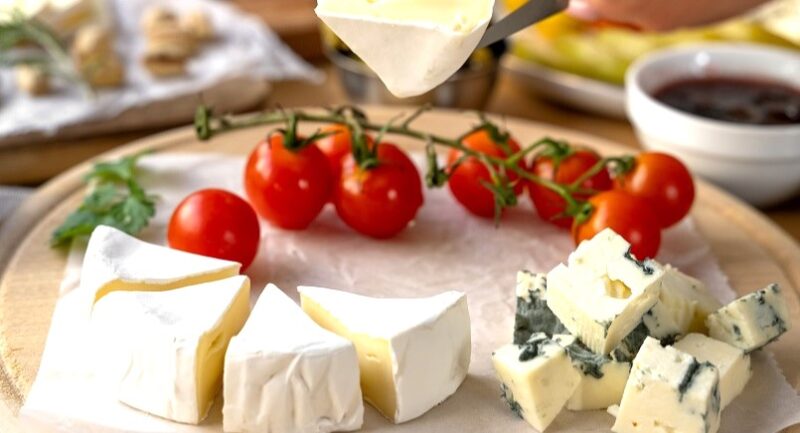 So next time someone suggests the French have cornered the market in fine cheese, simply smile, cut another generous slice of British artisan cheese, and let the evidence speak for itself.
After all, it’s difficult to argue with a mouth full of perfectly matured Cheddar.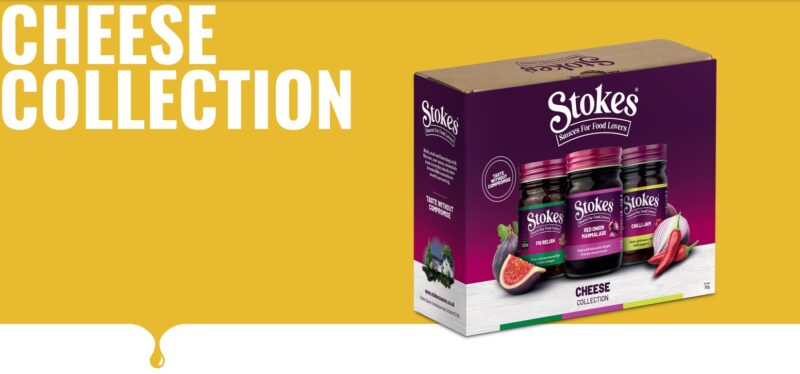
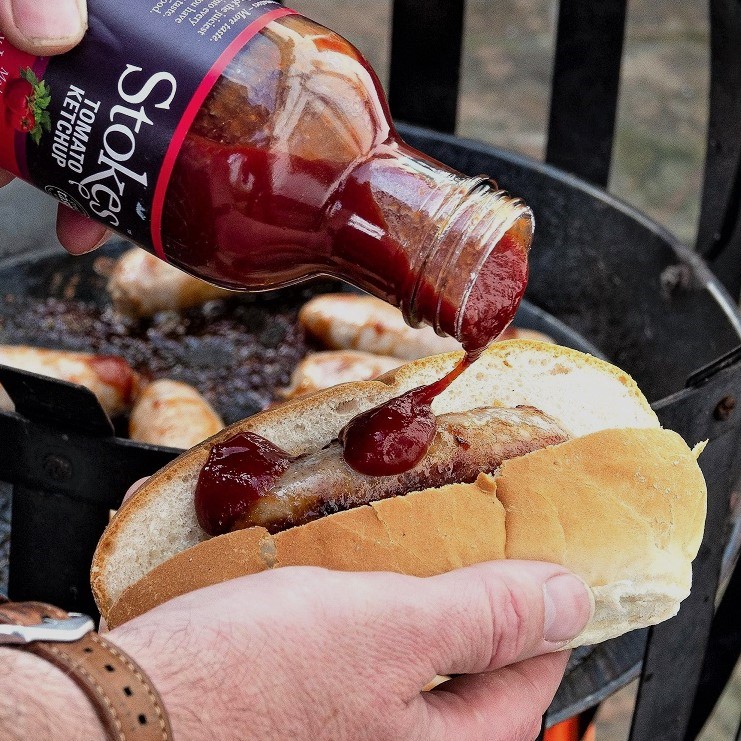
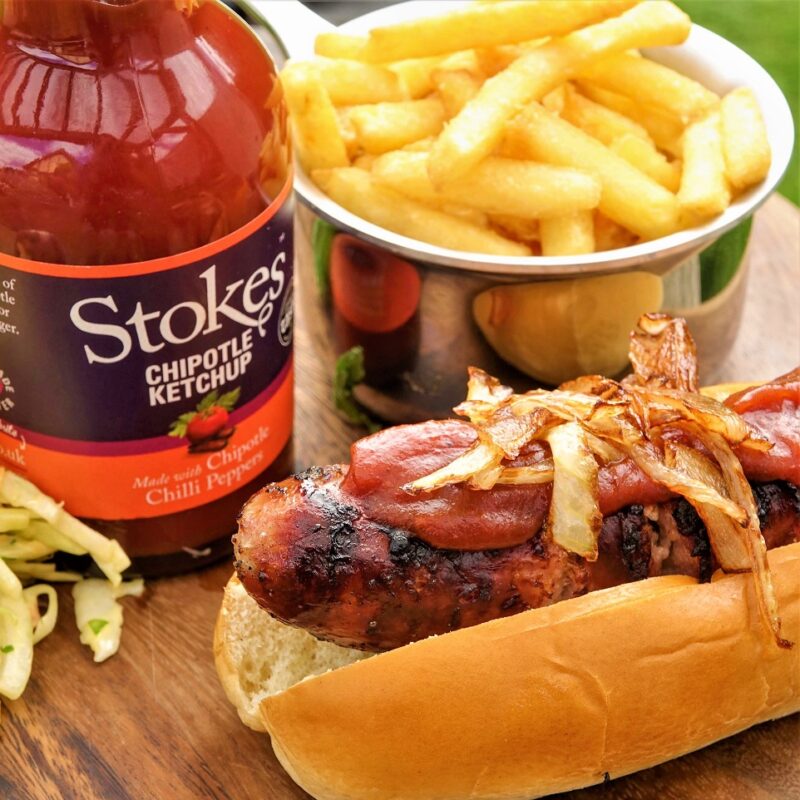
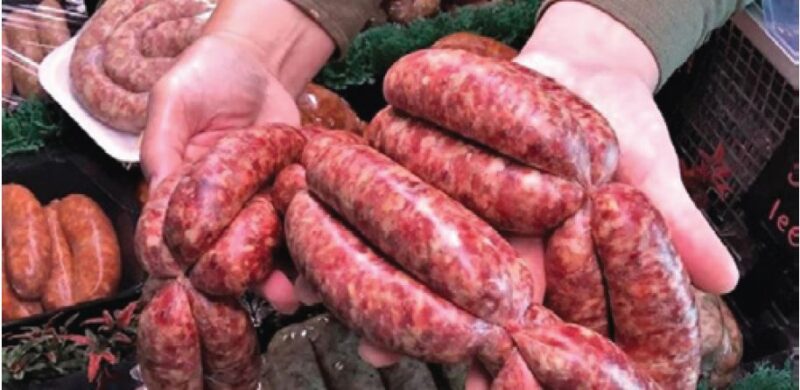 Of course, every hot dog masterpiece deserves the perfect supporting cast. Are you a ketchup traditionalist? A mustard purist? A mayonnaise devotee?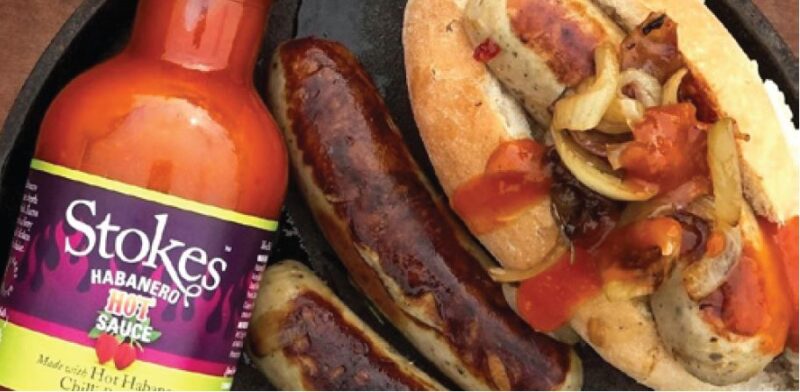
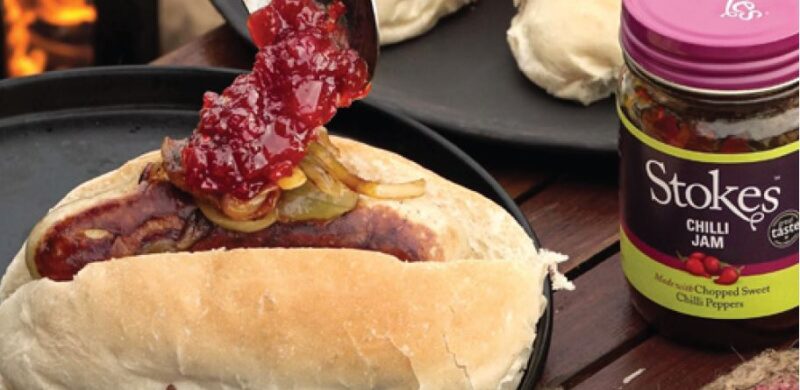
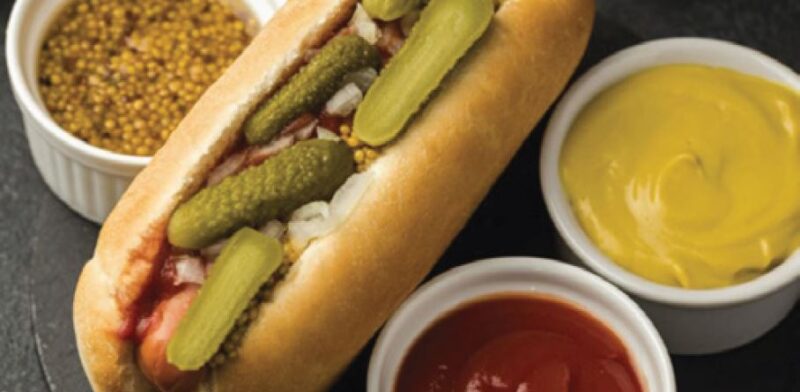 It’s messy, it’s indulgent, and it’s guaranteed to leave you reaching for another.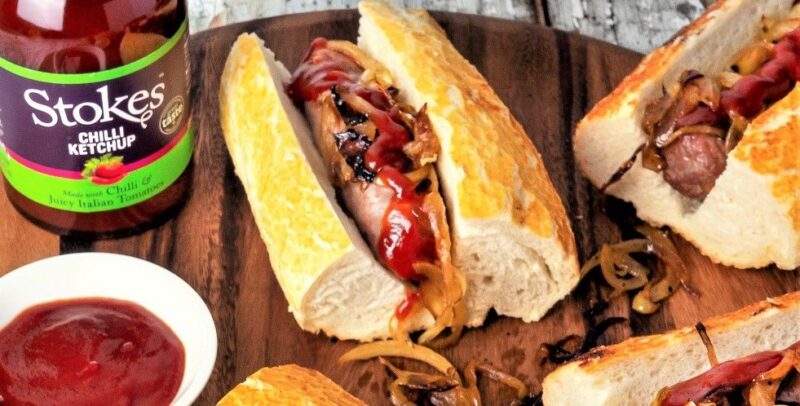
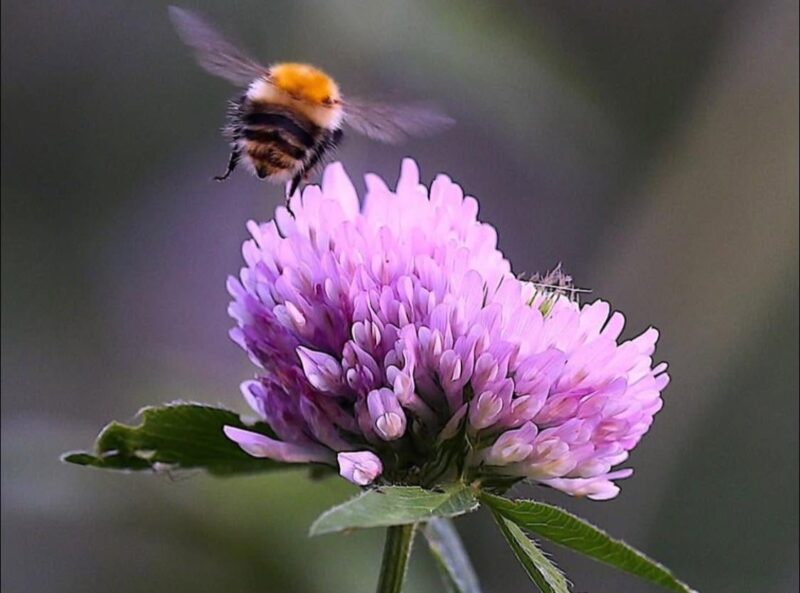 [A beautiful by-product of sustainable British farming.]