- Food Lovers Club

Great British Beef

There’s something wonderfully British about celebrating beef. British Beef Week isn’t just about what’s on the plate, it’s about the people, the land, and the traditions that make British beef worth talking about. It’s a celebration with deep roots and, fittingly, plenty of juicy marbling.


  BACK

A celebration


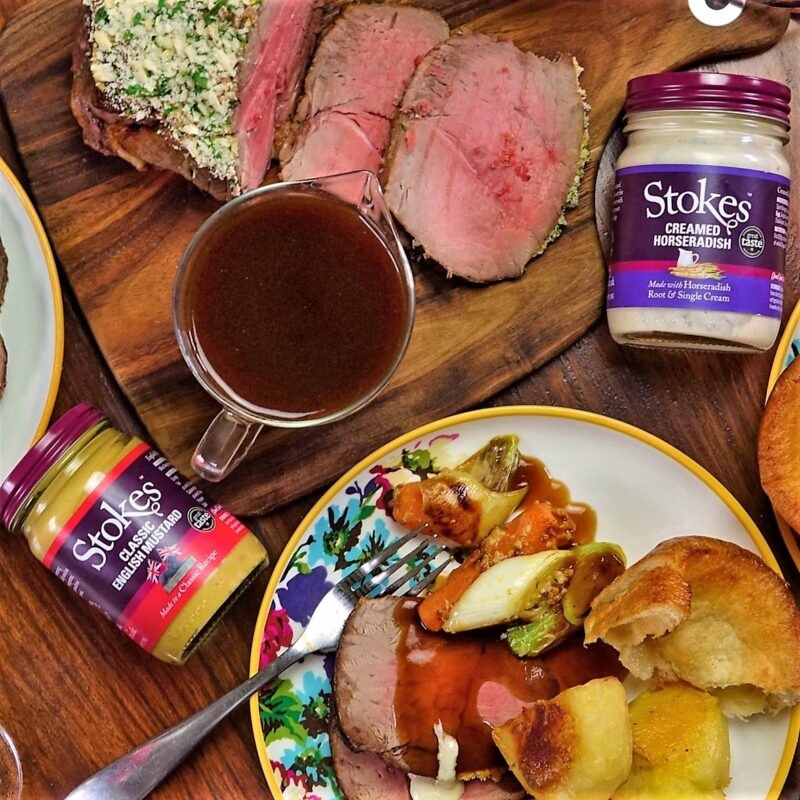
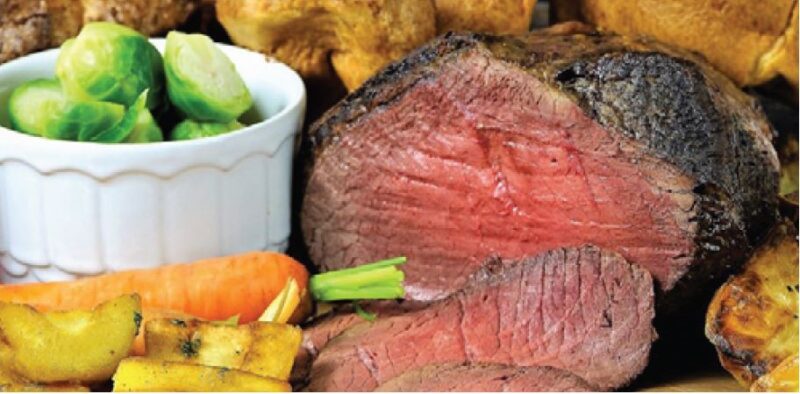
Our celebration is captured in the image of a Sunday roast steaming gently on the table, and the quiet pride of farmers who’ve spent generations perfecting their craft.

Whatever the reason, British Beef Week isn’t just about what’s on the plate, it’s about the people, the land, and the traditions that make British beef worth talking about.The nationwide campaign Great British Beef Week (GBBW) is back for its 16th year from 23 – 30 April 2026. Created by farmer group Ladies in Beef, GBBW champions the local supply chain behind British beef – from the farmers who produce it, to the butchers, farm shops, pubs and restaurants who supply it.

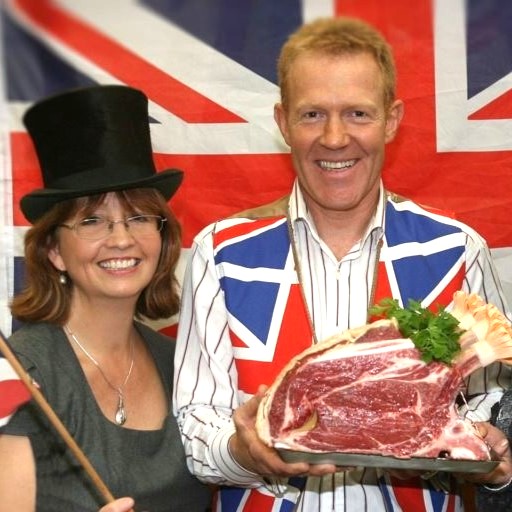
Ladies in Beef was co-founded by former NFU President Baroness Minette Batters and Devon beef producer Jilly Greed. Livestock farmer and TV presenter Adam Henson is Patron of Ladies in Beef, which has a country-wide network of champions.

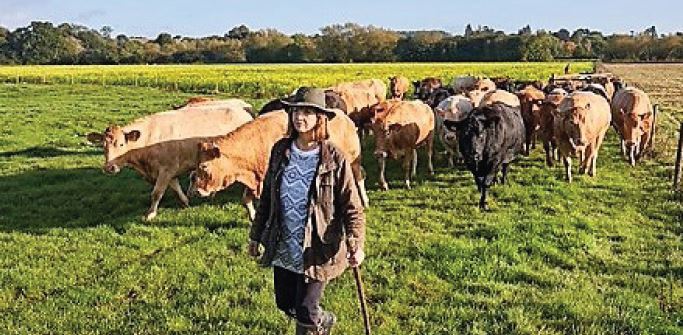
All the ladies are British beef farmers and proud of it!

Gilly Greed: “It’s all about championing our trusted local supply chains, the family farms, farm shops and butchers that work together to deliver top-quality British beef to communities.

SOME BEEFY FACTS

British farmers are known for high welfare standards, with organisations like Red Tractor Assurance ensuring traceability “from farm to fork.”

Popular native breeds include:

Aberdeen Angus cattle – prized for marbling and flavour

Hereford cattle – known for hardiness and efficiency

Shorthorn cattle – historically important in UK farming.

During the reign of Henry VIII, beef was such a staple that his guards were nicknamed “Beefeaters.”

The weather remains the eternal wildcard. Ask any farmer and they’ll tell you that raising cattle in Britain means mastering mud as much as meat.


The Perfect Roast


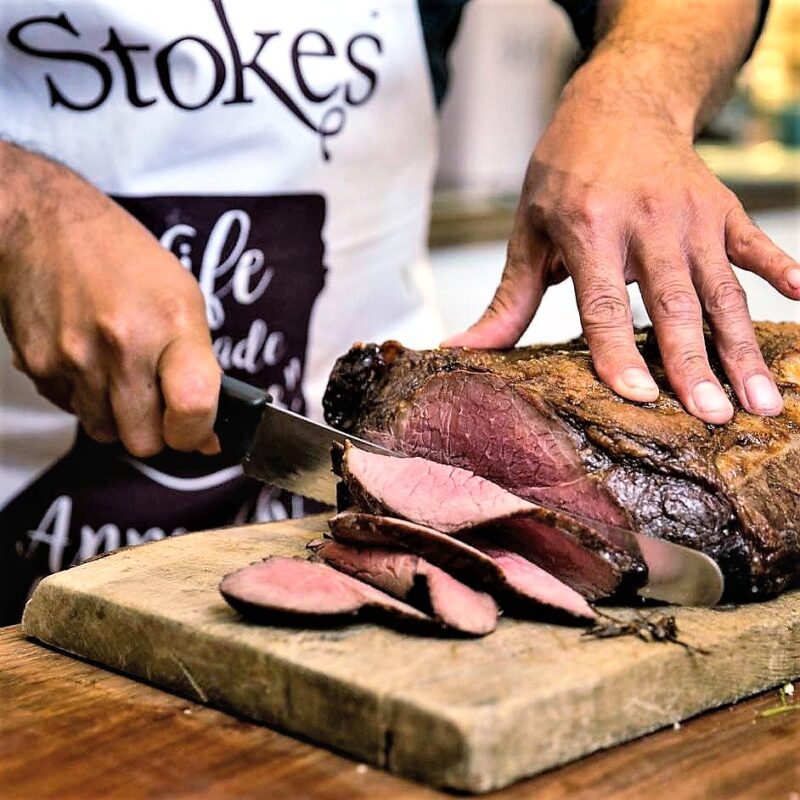
Here’s a couple of roasting tips from our friends at Ladies in Beef – well, if they don’t know a thing or two … who does?Place the meat in the centre of the oven for even cooking. The ideal temperature is 180-190C / Gas Mark 4 to 5. Timing:

  • Rare: 20 minutes per 450g (1lb) + 20 mins
  • Medium: 25 minutes per 450g (1lb) +25 mins
  • Well Done: 30 minutes per 450g (1lb) + 30 mins.

Let the joint rest for 15 to 20 minutes to let the meat fibres relax.

Perhaps the easiest cuts to handle in the kitchen if you don’t have a great deal of experience are topside, silverside and top rump.

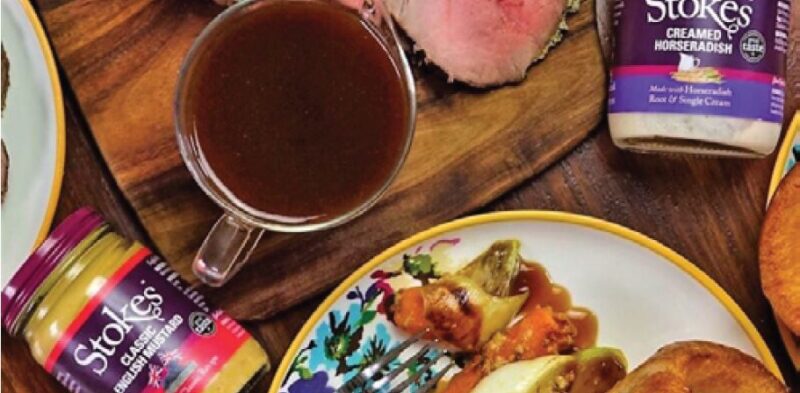
On the side:Our Classic English Mustard – A smooth and strong mustard but without the ‘burn’. If you like mustard, we think (actually, we know) you’ll love this!

Mustard is well-known for its culinary importance as a piquant ingredient, warming and spicing all manner of food. And, dolloped on the side of the plate, it’s the condiment that complements.

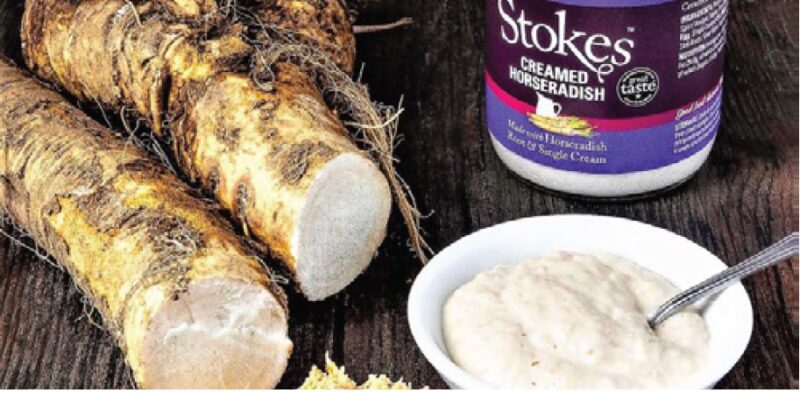
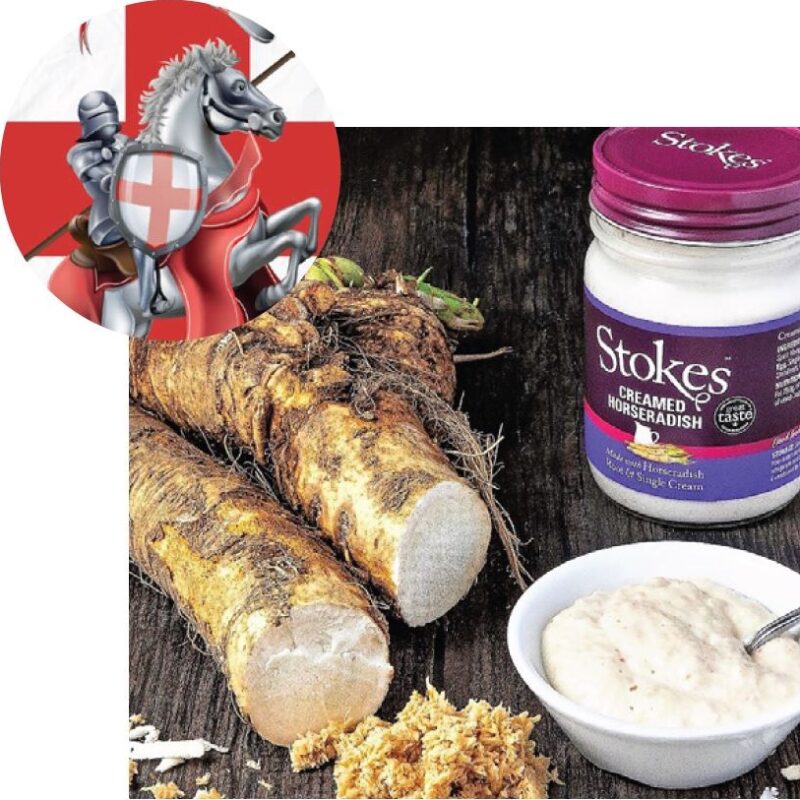
Try stirring a little into your gravy too.Our Creamed Horseradish is a deliciously smooth creamed horseradish sauce that lets you enjoy its full flavour without bringing tears to your eyes. It’s a tasty and truly elegant alternative to other, harsher sauces, made with English horseradish root and single cream.

The Great Taste Award judges commented “A creamy texture to this sauce with wonderful bits of grated horseradish which give a lovely mouthfeel. It’s beautifully creamy and has a horseradish bite but it’s not aggressive. A really beautifully balanced horseradish which Judges wanted to eat by the spoonful!

Beefy Bounties


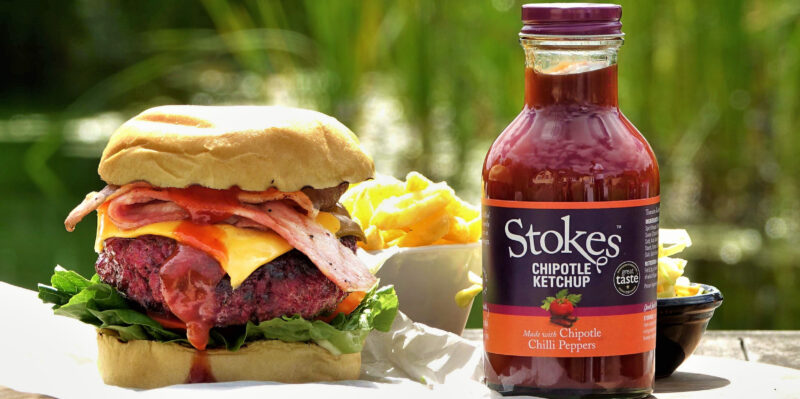
You just can’t beat a good burger. All we can do is praise it, dress it, and love it. British minced beef formed to a patty and cooked slightly pink; fresh salad with a crunch; perhaps a squeeze of our Real Mayonnaise; cheese melted on top; sometimes with or without bacon; and your choice of sauce.

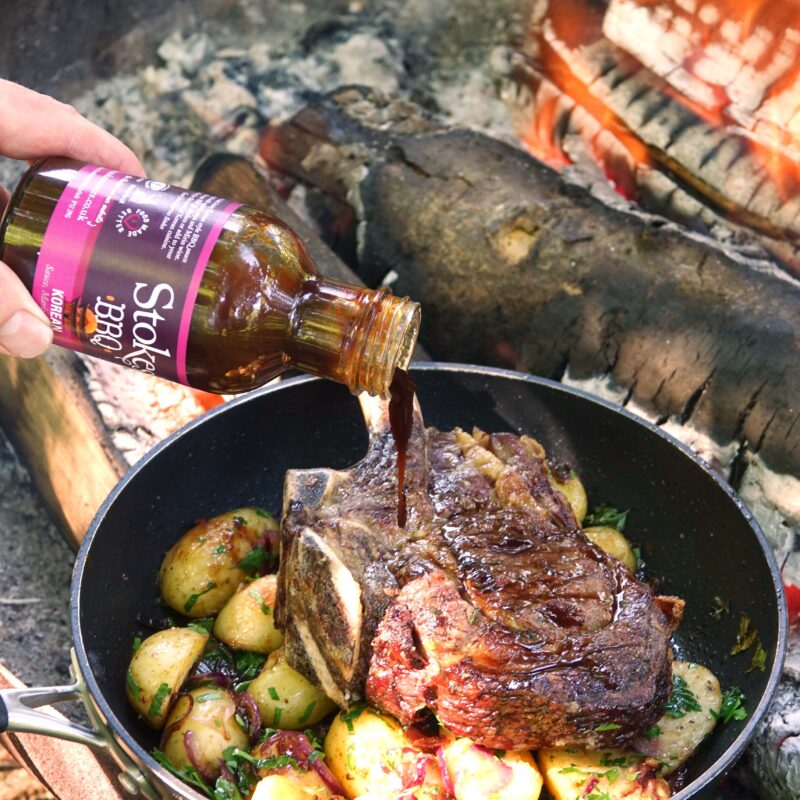
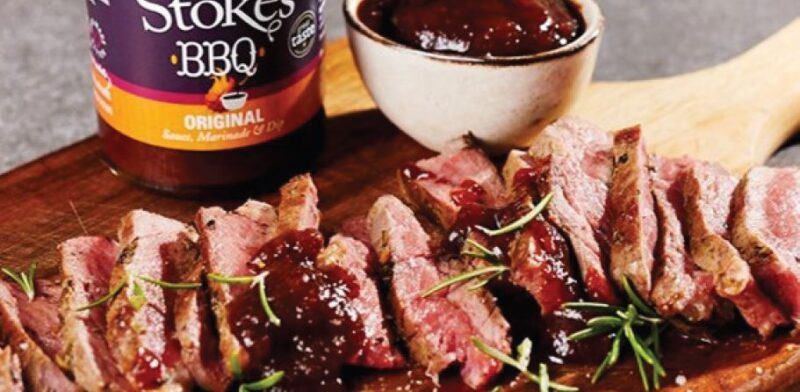
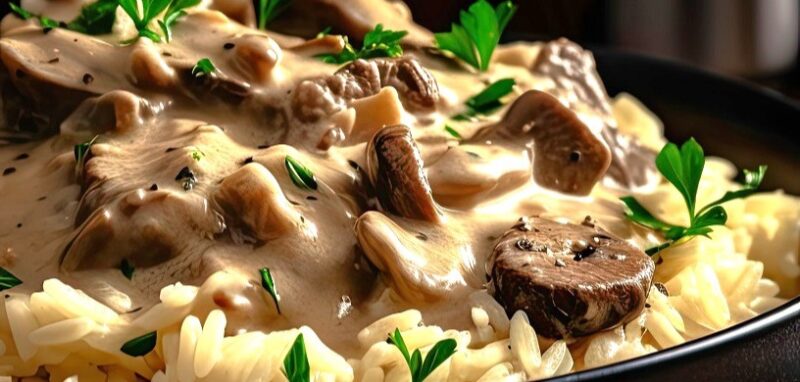
For a smoky thick ketchup with a spicy kick of Chipotle chilli, it has to be our Chipotle Ketchup. Chipotle chillies are actually Jalapeños left to ripen on the plant until deep red, then smoked to create their distinctive, rich flavour. Make a juicy steak go further, cooked to taste, sliced, naturally flavoured with a BBQ Sauce, and served with salad and chips.Better still, try this Creamy Beef Stroganoff. It’s a simple way to create a Friday evening supper that again, makes steak night go further.

One of the choices you’ll want to consider is, whether to serve it with rice, or with pasta. Personally, I love this with buttery pasta. You decide.

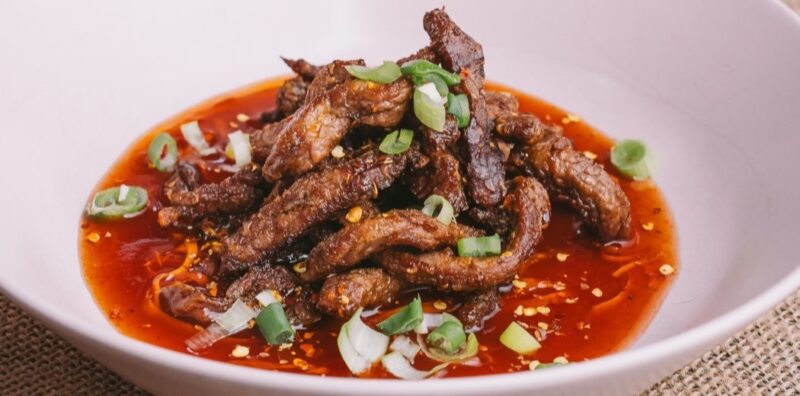
NEW RECIPE – HERE.Another recent beefy favourite is Vernon’s Crispy Chilli Beef – great recipe thank you Vernon. To get a crispy finish to the beef, Vernon uses minute steak cuts, sliced thinly to catch the searing heat.

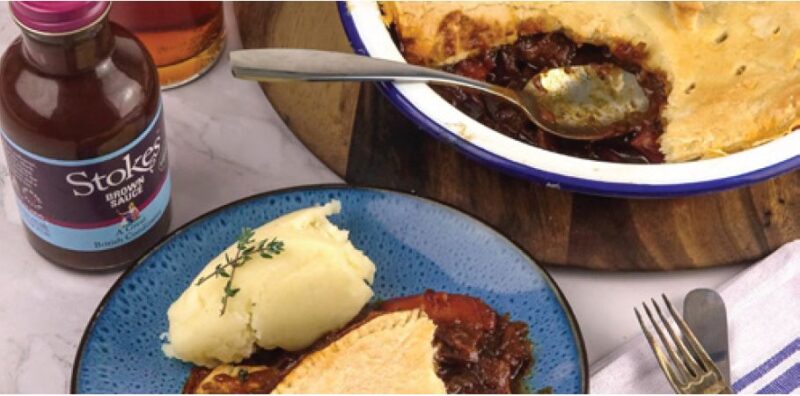
RECIPE – HERE.Using diced beef, Chef Andy has created this Slow Cooked Beef Pie.

The long, slow cooking of the beef ensures the tenderest, tastiest filling for this delicious pie. Adding our Real Brown Sauce gives the gravy a wonderful depth of flavour, sweet with dates and aromatic with Persian spices. Enjoy.

RECIPE – HERE.


Once more unto the breach


23 April, is a special date in the English calendar for two reasons: Firstly, it is St George’s Day, St George being the Patron Saint of England.

There is something faintly ironic, perhaps even quintessentially English about the fact that the nation’s patron saint, Saint George, wasn’t English at all.

A Roman soldier of likely Cappadocian (modern-day Turkey) origin, George never set foot on England’s green and pleasant land, never queued politely for anything, and almost certainly never complained about the weather.

And yet, for centuries, he has stood as the enduring symbol of English courage, chivalry, and quiet defiance.So how did a dragon-slaying saint from the eastern fringes of the Roman Empire come to embody the spirit of England?

By the time of the Crusades, George had been adopted as a heavenly warrior, an ideal figure for a kingdom eager to frame itself as both devout and valiant. His iconic red cross on a white background would eventually become England’s flag, a stark, simple emblem that mirrors the nation’s own preference for understated strength.

He represents a set of values we English like to imagine as our own – bravery without bravado, resilience without spectacle, and a certain stubborn moral clarity.

Once more unto the breach’ is the opening line from the speech given by King Henry V, to the English army in France. The phrase means, let us try again.

The breach in question is the gap in the wall of the city of Harfleur. In his speech, Henry is motivating his troops to attack the city again, even if they have to ‘close the wall with English dead’.

The last line of the speech, ” ‘Cry God for Harry, England, and Saint George!’ ’’, is a rallying cry to his army, for God to support him (Harry is an alternative name for Henry), England (their country) and St George (England’s Patron Saint).In exploring England’s relationship with St George, we begin to see that “Englishness” itself is a carefully woven tapestry of borrowed myths, historical reinvention, and cultural aspiration.

That its central figure is a foreign-born saint only adds to the intrigue.